

Spirituality and the Ethics of Conservation: The Collapse of Marine Fisheries in West Africa


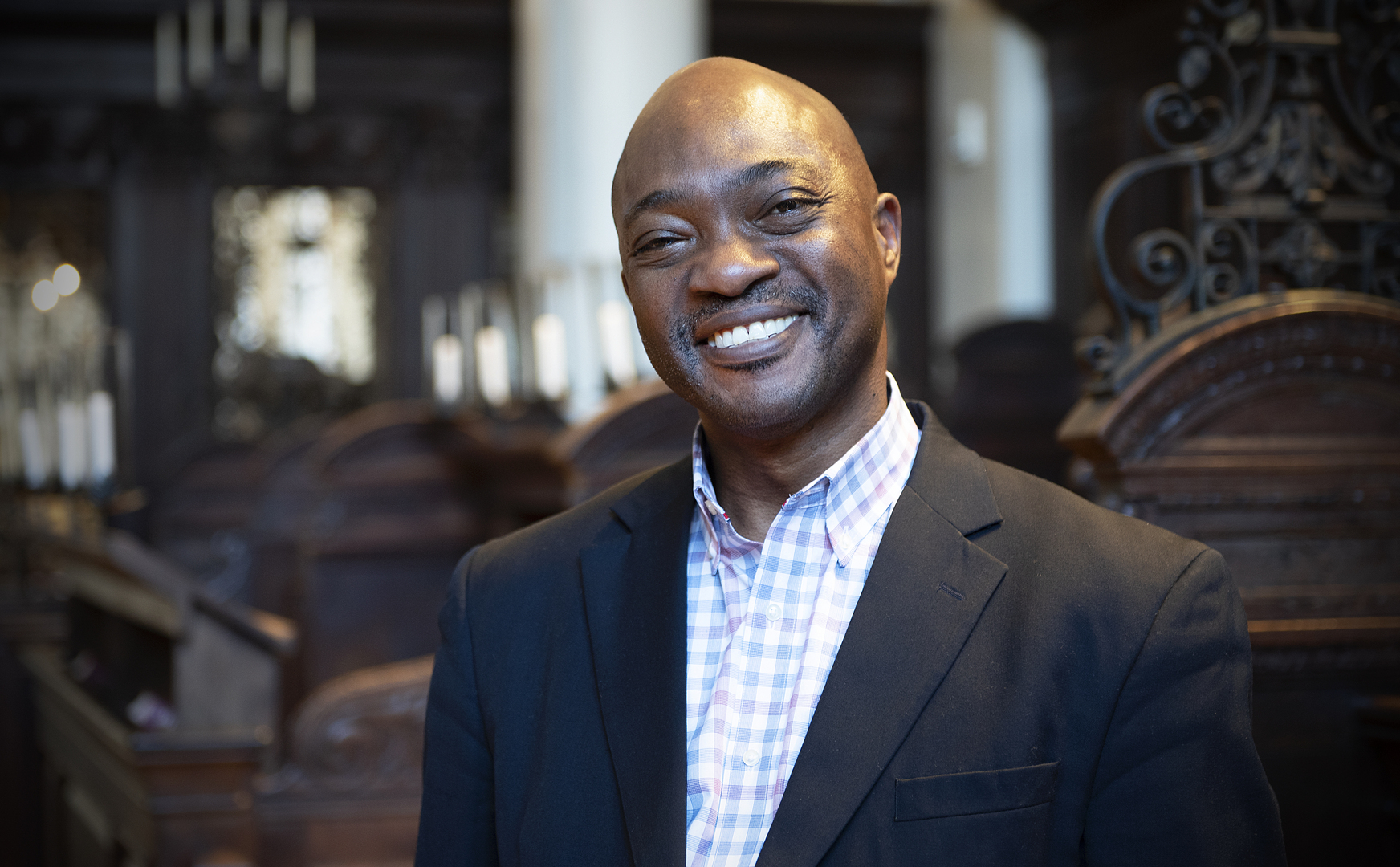
In the 1960s, economist and anthropologist Polly Hill dubbed Ghanaians “Pan-African fisherman.” Ghanaian fishermen could be found all along the West African coast from the Gambia to the Niger Delta. Today, Ghana accounts for about 70 to 80 percent of all pelagic fish catches (sardines, anchovies, herring, mackerel) in the Gulf of Guinea. Yet in the past two to three decades, annual catches of small pelagic fish there have declined precipitously, plummeting from 270,000 metric tons in 1990s to 16,000 metric tons in 2016. The factors accounting for the decline are complex: overfishing, ocean warming, the menace of foreign industrial trawlers, and illegal, unreported, and unregulated (IUU) fishing practices. As Professor Emmanuel Akyeampong suggests, the collapse of marine fisheries has generated a debate about customary practices rooted in indigenous religion that treated the sea as sacred space and regulated fishing practices. Has social change and religious pluralism undermined the ethics of conservation? How can the ethics of conservation be rehabilitated as part of the multi-pronged effort to revive marine fisheries along the West African coast?
