

Sip Salon - Dirty Little Secrets: The Science of Clean


Welcome to the Sip Salon where we gather to learn together through articles and discussion. Read the article, join the discussion. Just curious folks coming together to discuss topics. Whether you know a little or a lot, we hope to grow together in our understandings. With drinks.
This month, is cleanliness next to godliness or are we overdoing it?
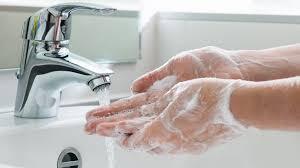
The story of handwashing is stranger than you'd think. For most of human history, the idea that your hands could kill someone was considered absurd — even offensive. When a Hungarian doctor named Ignaz Semmelweis discovered in 1848 that doctors washing their hands between the morgue and the delivery room could drop maternal death rates from 18% to 1%, he lost his job, had a breakdown, and died in a psychiatric institution at 47. Nobody believed him.
It took another 40 years and the discovery of germs themselves before the world caught up.
Since then, our relationship with cleanliness has swung wildly back and forth: from Victorian germ paranoia to post-WWII laxity, from the "hygiene is bourgeois nonsense" countercultural 60s to the HIV-era anxiety of the 80s, right up to the Covid-era memes of us all singing Mr. Brightside while lathering up.
But here's where it gets complicated: scientists now argue that we may have overcorrected. The "Hygiene Hypothesis" suggests that obsessive cleanliness — by removing us from the beneficial microbes we evolved alongside may actually be driving the rise in allergies, asthma, autoimmune conditions, and even anxiety and depression. Your immune system, deprived of the microbial diversity it needs, starts attacking things it shouldn't.
So what's the right balance? When does clean become too clean? And what does our 130-year obsession with hygiene reveal about how we think about risk, bodies, and control?
Bring your curiosity and maybe skip the antibacterial soap this once.
Event Links
Tickets: https://go.evvnt.com/3622585-0
